Trust & Estate
Enable clients to protect, preserve, and transfer their wealth with a modern platform that simplifies trust and estate management.
Build lasting stability for Every Household
Comprehensive planning support
Provide clients with tools that help them structure trusts, manage beneficiaries, and coordinate future wealth transfers.

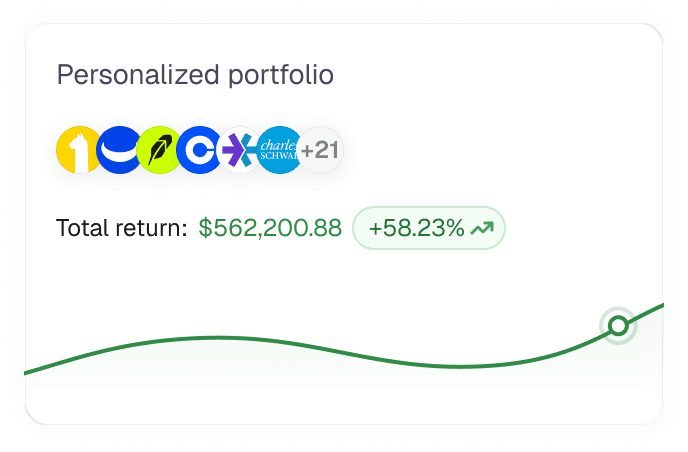
Integrated account view
Connect trust accounts, assets, and financial plans inside a single unified platform for full visibility.
User
Trust accounts
Assets
Plans
FAQ
What is estate planning?
Estate planning is the process of organizing how a person’s assets will be managed, protected, and transferred during life and after death. It helps reduce taxes, simplify administration, and ensure wealth moves to the right people with clarity and ease.
What is an estate plan?
An estate plan is a collection of legal documents that outline how assets should be handled. This often includes wills, trusts, powers of attorney, and healthcare directives. These documents guide financial decisions, designate guardians, and ensure a person’s wishes are carried out.
How does survivorship life insurance support estate planning?
Survivorship life insurance pays a benefit after the second death in a couple. These proceeds can be used to cover taxes or other obligations, which helps preserve more of the estate for beneficiaries.
How much does estate planning usually cost?
Costs vary depending on the complexity of the plan. Basic documents may be inexpensive, while customized plans involving multiple trusts or legal structures may require higher professional fees. Surmount does not replace legal counsel but helps advisors manage accounts and planning details more efficiently.
Why is estate planning important?
Estate planning ensures assets transfer according to a client’s intentions. It helps avoid disputes, reduces taxes, provides care instructions during incapacity, and protects dependents. Effective planning creates clarity for families during stressful moments.
How do I set up a will or trust?
Creating a will or trust typically involves selecting beneficiaries, naming executors or trustees, defining distribution instructions, and working with an attorney to draft the required documents. Surmount supports the process by giving advisors and clients a clear view of accounts and holdings involved in the plan.
Who needs estate planning?
Anyone with dependents, meaningful assets, or specific legacy goals benefits from estate planning. It is especially valuable for clients with blended families, business interests, or complex financial situations.
What is the difference between a will and a trust?
A will coordinates the distribution of assets after death. A trust can manage and protect assets during life and after death. Trusts can also help avoid probate and offer more control over how and when beneficiaries receive assets. Surmount brings these structures into one place so advisors can manage them alongside the client’s broader portfolio.
