AI + Compliance: Building Trustworthy Advisory Tech

The regulatory environment for AI in wealth management has shifted dramatically. The SEC's 2026 examination priorities signal a fundamental change: AI oversight has been integrated across virtually all examination categories. The Division of Examinations will review registrants' compliance policies regarding AI-related services, their disclosures to investors, and the accuracy of any AI capability claims.
Building trustworthy advisory technology requires more than algorithmic sophistication. It demands architecture designed from the ground up for compliance, transparency, and accountability.
The Regulatory Landscape: What RIAs Must Address
Morrison Foerster's 2025 compliance guidance outlines the framework: RIAs using AI tools must implement policies and procedures reasonably designed to prevent violations of the Investment Advisers Act. This includes addressing AI hallucinations, data privacy, conflicts of interest, recordkeeping, and marketing claims.
The SEC has already charged investment advisers for making false or misleading statements about AI capabilities—a practice known as "AI washing." Key regulatory expectations for 2026 include:
Fiduciary compliance: AI tools must support, not replace, fiduciary obligations of care and loyalty
Transparency requirements: Clear disclosure of AI use in investment advice and client services
Risk management: Documented processes for identifying and mitigating AI-specific risks
Vendor oversight: Due diligence and ongoing monitoring of third-party AI providers
Client data protection: Robust safeguards for confidential information used in AI systems
Framework 1: Compliance-Ready AI Workflows
CFA Institute's 2025 research emphasizes that successful AI implementation requires close collaboration across organizations, balancing innovation with transparency and accountability.
Governance Structure
Effective AI governance starts with clear ownership:
Establish AI oversight committees with representation from compliance, technology, legal, and investment teams
Define approval hierarchies for AI tool deployment, particularly for client-facing applications
Create escalation protocols for AI anomalies, errors, or regulatory concerns
Document decision-making authority at each stage of the AI lifecycle
Risk Assessment Process
Before deploying any AI tool, conduct structured assessment:
Identify use case scope: Document exactly what the AI system will and won't do
Map regulatory touchpoints: Determine which regulations apply
Assess potential harms: Consider hallucination risks, bias, data privacy, and conflicts
Establish risk thresholds: Define acceptable error rates and performance parameters
Plan mitigation strategies: Document how identified risks will be addressed
Policies Under Rule 206(4)-7
Rule 206(4)-7 requires RIAs to adopt written policies reasonably designed to prevent violations. For AI systems:
AI-specific compliance policies addressing unique risks beyond traditional technology
Vendor management protocols including provider selection, contract requirements, and monitoring
Data governance standards specifying what client data can be used and how it's protected
Testing and validation procedures for AI outputs before they influence investment decisions
Incident response plans for AI failures, errors, or unexpected behaviors
Human Oversight Requirements
AI augments human judgment; it doesn't replace fiduciary responsibility:
Review layers for AI recommendations before investment decisions
Exception handling protocols when AI outputs contradict human judgment
Override documentation requirements
Periodic validation that AI systems continue performing as intended
Framework 2: Explainability and Traceability
McKinsey's research notes that algorithmic opacity raises regulatory and trust concerns, making explainable AI frameworks essential.
Building Explainable Systems
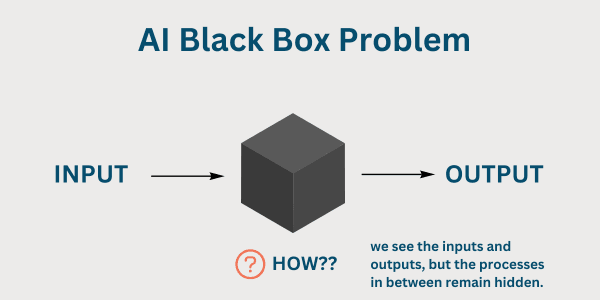
Explainability requires demonstrating how decisions get made:
Input transparency: Document what data feeds AI models and how it's processed
Logic documentation: Explain the general methodology
Output interpretation: Provide context for AI recommendations in plain language
Confidence indicators: Display certainty levels for AI-generated insights
Alternative scenarios: Show how different inputs would change outputs
Traceability Architecture
Regulatory examinations will ask: "How did you arrive at this recommendation?" AI systems must support answers through:
Audit trails for AI decisions with timestamps and logs
Version control tracking which model produced which outputs
Data lineage recording what informed specific AI decisions
Decision reconstruction ability
Change logs for model updates or parameter adjustments
Practical Implementation
Technology choices matter:
Select AI vendors with built-in audit capabilities
Implement middleware that logs AI interactions
Create compliance dashboards showing usage patterns and error rates
Build testing environments for validation before deployment
Establish documentation standards capturing design rationale
Framework 3: Regulatory Expectations for Secure AI Use
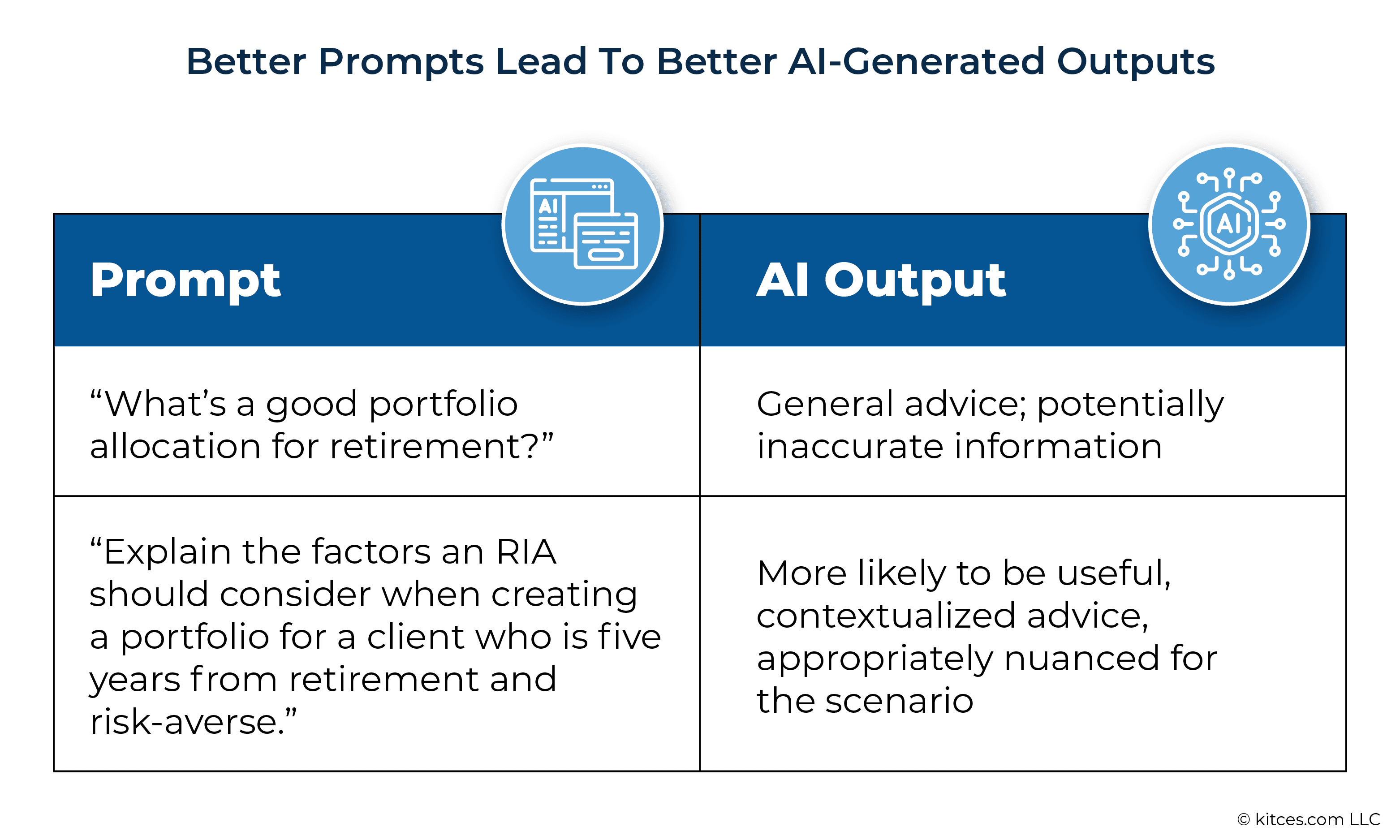
White & Case's analysis notes that examinations will scrutinize policies for data loss prevention, access controls, and AI-related incident responses.
Data Privacy and Confidentiality
When AI enters the equation:
Vendor contracts must prohibit using client data for model training
Use only necessary client information (data minimization)
Strip identifying information from training data when practical
Inform clients how their data will be used in AI systems
Consider opt-out mechanisms for AI-driven features
Access Controls
Who can deploy AI tools matters:
Role-based access limiting AI system use to personnel with legitimate business need
Approval workflows requiring compliance sign-off for new deployments
Segregation between model development and production deployment
Vendor access restrictions controlling third-party AI provider permissions
Testing and Validation
Secure AI requires ongoing validation:
Pre-deployment testing against known scenarios
Bias detection for systematic errors or discriminatory outcomes
Stress testing under market volatility
Periodic revalidation (quarterly, annually, post-market events)
Third-party validation for critical systems
Practical Compliance Integration
Documentation Standards
Create standardized documentation for each AI system covering:
System purpose and scope
Data sources and processing methods
Model methodology
Validation approach
Risk assessment and mitigation
Human oversight protocols
Vendor information and contract terms
Training and Competency
CFA Institute research emphasizes that staff need training on:
AI literacy: Basic understanding of how AI works and its limitations
Tool-specific instruction on firm systems
Compliance requirements when using AI
Prompt engineering for generative AI
Error recognition to identify hallucinations
Monitoring and Reporting
Compliance-ready AI requires ongoing oversight:
Usage dashboards tracking which systems are used, by whom, and how frequently
Performance metrics monitoring error rates and override frequency
Regulatory reporting preparation for SEC examinations
Board reporting on AI risk summaries
Client communications disclosing AI's role
The Path Forward
The SEC's Investor Advisory Committee December 2025 recommendations signal evolving expectations around AI disclosure, board oversight, and operational transparency.
Firms that build compliance into AI architecture from the start will move faster than those retrofitting governance onto deployed systems. The question isn't whether regulators will examine AI use—it's whether your systems will demonstrate the transparency, controls, and human oversight they're looking for.
Trustworthy advisory technology emerges from intentional design: systems built to augment fiduciary judgment while maintaining the transparency, accountability, and risk management that regulatory compliance demands.