Top 10 AI Trends Every RIA Should Know in 2026

Artificial intelligence has moved from boardroom speculation to operational reality in wealth management. For registered investment advisors, the question is no longer whether AI will reshape client service and portfolio construction—it's which developments matter most, and how to apply them without compromising fiduciary standards.
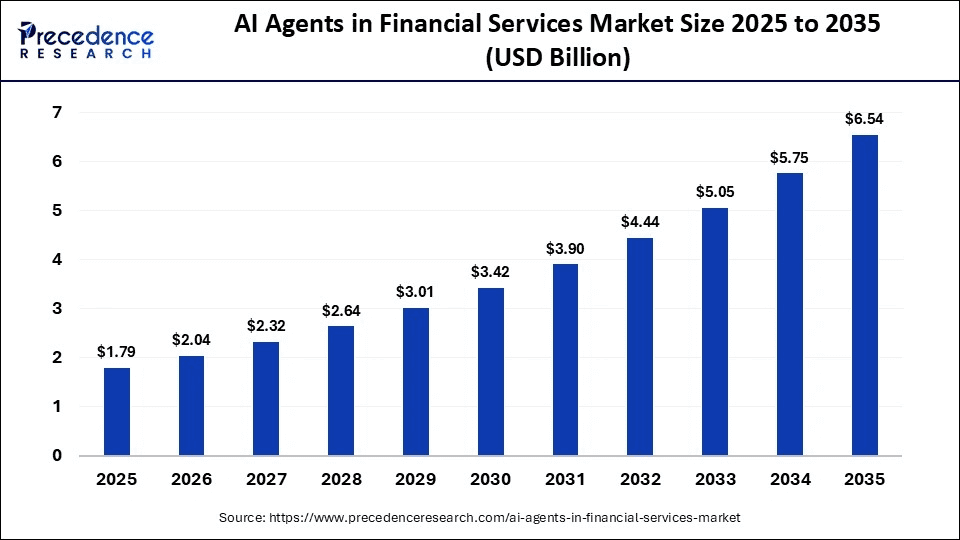
McKinsey's 2025 State of AI report found that 88% of organizations now regularly use AI in at least one business function, up from 78% just a year ago. Yet most RIAs remain in exploratory phases, creating both risk and opportunity. What follows is a breakdown of the ten most consequential AI developments for advisors in 2026.
1. Hyper-Personalization at Population Scale
Client personalization once required manual effort that didn't scale beyond a few hundred relationships. AI now enables advisors to deliver individualized strategies to thousands of clients simultaneously.
Key applications include:
Continuous tax-loss harvesting across individual client cost basis positions
Dynamic rebalancing that accounts for each client's liquidity needs and capital gains
Automated life event detection through natural language processing of client communications
Deloitte's 2025 investment management research shows that firms using AI-tailored portfolios demonstrate materially higher engagement and lower attrition, particularly when personalization extends beyond portfolio construction to communications and service delivery.
2. Real-Time Risk Scoring Beyond Static Models
Traditional risk assessment relies on backward-looking questionnaires and annual reviews. AI-driven systems produce dynamic risk profiles that update as conditions change, monitoring:
Portfolio volatility and behavioral engagement patterns
Client withdrawal behaviors and external financial stressors
Changes in risk capacity triggered by job loss, medical expenses, or family events
This represents a material improvement in fiduciary standard of care. A client who loses employment maintains the same stated risk tolerance while experiencing drastically reduced risk capacity—AI flags these situations before they become problems.
3. RegTech Automation for Compliance Workflows
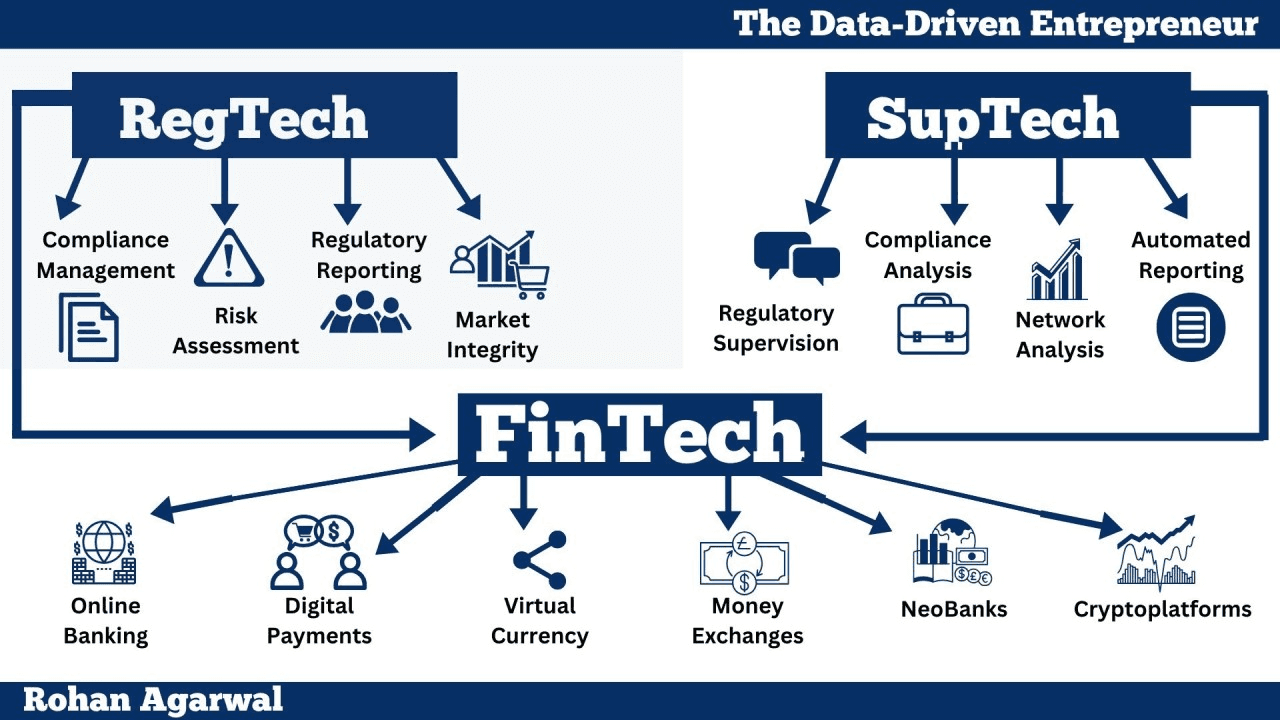
The SEC's 2025 examination priorities explicitly identified AI usage as a focal point for examinations. AI-powered compliance systems now automate Form ADV updates, trade surveillance, and fee reconciliation.
According to CFA Institute's 2025 AI in Asset Management research, firms using RegTech automation reduce compliance staff hours by 60% while improving audit performance—catching conflicts of interest and documentation gaps that human review misses.
Advisors using algorithmic tools bear full responsibility for outputs and must demonstrate robust oversight frameworks, making automation both an efficiency gain and a governance requirement.
4. Natural Language Document Intelligence
AI document analysis extracts relevant provisions from trust agreements, estate plans, and previous advisor records in minutes. When a new client arrives with decades of financial paperwork, modern natural language processing:
Identifies cost basis elections and qualified charitable distributions
Surfaces annuity surrender schedules and required minimum distributions
Flags potential conflicts between existing documents and stated goals
This technology doesn't replace advisor judgment about what matters—it ensures nothing important gets missed in the volume of information clients bring.
5. Predictive Client Attrition Modeling
Machine learning models now predict which clients are likely to leave 6–12 months before they do, based on engagement patterns and communication frequency.
Cerulli's 2024 RIA research found that firms using predictive attrition models retain materially more clients annually by identifying not just who might leave, but why—allowing targeted interventions before relationships deteriorate.
A client who stops responding to emails, misses scheduled reviews, and shows declining portal engagement gets flagged for proactive outreach with context about likely concerns and suggested talking points.
6. Algorithmic Rebalancing with Tax Optimization
Portfolio rebalancing represents one of the clearest fiduciary applications of AI. Rules-based systems execute rebalancing across thousands of accounts simultaneously by:
Identifying which specific tax lots to sell when positions exceed target allocations
Locating loss harvesting opportunities across related accounts
Recommending Roth conversions to avoid future tax drag
McKinsey's 2024 banking research notes that systematic rebalancing reduces behavioral drift and improves risk-adjusted returns. Yet manual rebalancing at scale is impractical—most advisors rebalance quarterly at best.
This isn't discretionary trading—it's rules-based portfolio management that happens to use sophisticated technology.
7. Scenario Analysis and Monte Carlo Enhancement
Modern AI enhances traditional Monte Carlo simulations by incorporating thousands of economic scenarios, client-specific behaviors, and dynamic spending patterns that traditional approaches miss.
BlackRock's 2026 investment outlook demonstrates that enhanced scenario modeling produces materially different retirement projections than traditional approaches—particularly for clients with stock compensation or sequence-of-returns risk.
An executive with restricted stock units receives planning that models vesting schedules, exercise decisions, tax consequences, and portfolio impact across market conditions—comprehensive analysis that once required manual recalculation for each scenario.
8. Automated Client Reporting and Insights
AI-powered reporting systems analyze portfolio performance and generate plain-language explanations customized to each client's holdings. The technology distinguishes between market effects, advisor decisions, and client behaviors:
Conservative positioning consistent with risk tolerance
Tax-loss harvesting effects on short-term performance
Temporary cash drag from planned liquidity needs
This transparency builds trust and reduces the behavioral impulse to abandon strategy during volatility. Clients understand not just what happened, but why it happened and whether it aligns with their plan.
9. Fraud Detection and Identity Verification
The SEC's Office of Investor Education reports increasing sophistication in scams targeting retirement accounts. AI-powered fraud detection monitors transaction patterns and beneficiary changes for anomalies:
Sudden large distributions from clients with systematic withdrawal patterns
Wire transfer instructions to new recipients
Communication requests that deviate from established client behavior
For fiduciaries with aging client bases, this technology provides essential protection against elder financial abuse and account compromise.
10. Integration Fabric Across Legacy Systems
Most RIAs operate with fragmented technology stacks. AI-powered integration layers connect CRM, portfolio management, financial planning, and custodian systems—enabling unified data access advisors previously lacked.
Deloitte's 2025 technology research shows that integration friction costs advisors 12–15 hours weekly in duplicate data entry. AI eliminates this waste, freeing time for client interaction and strategic thinking.
A client calls to discuss distribution strategy—the advisor sees unified data: current portfolio positions, tax projections, withdrawal history, and upcoming required minimum distributions, all in one interface.
The Fiduciary Calculus
These ten trends share a common thread: AI augments advisor judgment without replacing it. The technology handles volume, consistency, and computational complexity. The human provides context, relationship insight, and ethical reasoning.
For RIAs evaluating AI adoption in 2026, the fiduciary question is straightforward: does this technology enable me to serve more clients with higher quality outcomes and lower operational risk? The advisors who thrive in the coming years will be those who integrate AI thoughtfully, maintaining human judgment where it matters most while leveraging machine precision for everything else.