The Strategic Value of AI Agents for RIAs in 2026

Artificial intelligence in wealth management is entering a new phase. Beyond chatbots that answer questions and algorithms that optimize portfolios, AI agents now execute complex, multi-step workflows autonomously. These systems don't just assist advisors—they make decisions, trigger actions, and operate with decreasing human intervention.
McKinsey's State of AI 2025 report found that 23% of organizations are now scaling agentic AI systems somewhere in their enterprises, with an additional 39% experimenting with AI agents. For registered investment advisors, this represents a fundamental shift from AI as tool to AI as collaborator.
What Makes AI Agents Different
Traditional AI systems respond to prompts. AI agents act autonomously to achieve objectives.
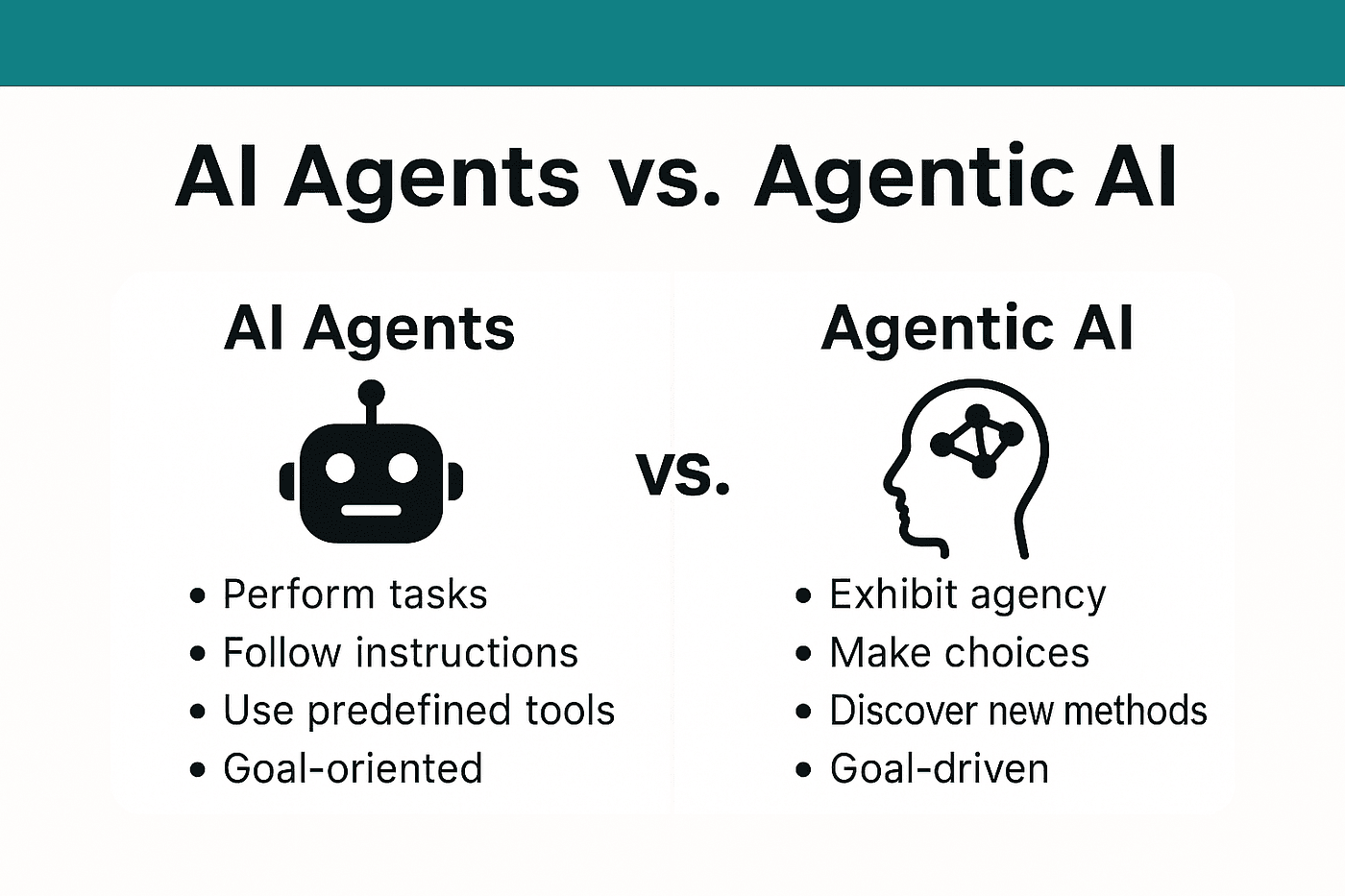
A conventional AI might analyze a client portfolio and flag rebalancing opportunities. An agentic system identifies the opportunity, determines optimal execution across tax lots, schedules the trades, generates compliance documentation, updates the CRM, and notifies the advisor—all without human intervention at each step.
McKinsey's December 2025 research defines these systems as "based on foundation models capable of acting in the real world, planning and executing multiple steps in a workflow." Key characteristics include:
Goal-oriented behavior: Given an objective, agents determine how to achieve it
Multi-step planning: Breaking complex tasks into sequential actions
Environmental awareness: Monitoring conditions and adapting execution accordingly
Tool use: Accessing databases, APIs, and systems to accomplish tasks
Decision-making: Choosing between alternatives based on defined parameters
High-Impact Use Cases for Advisory Practices
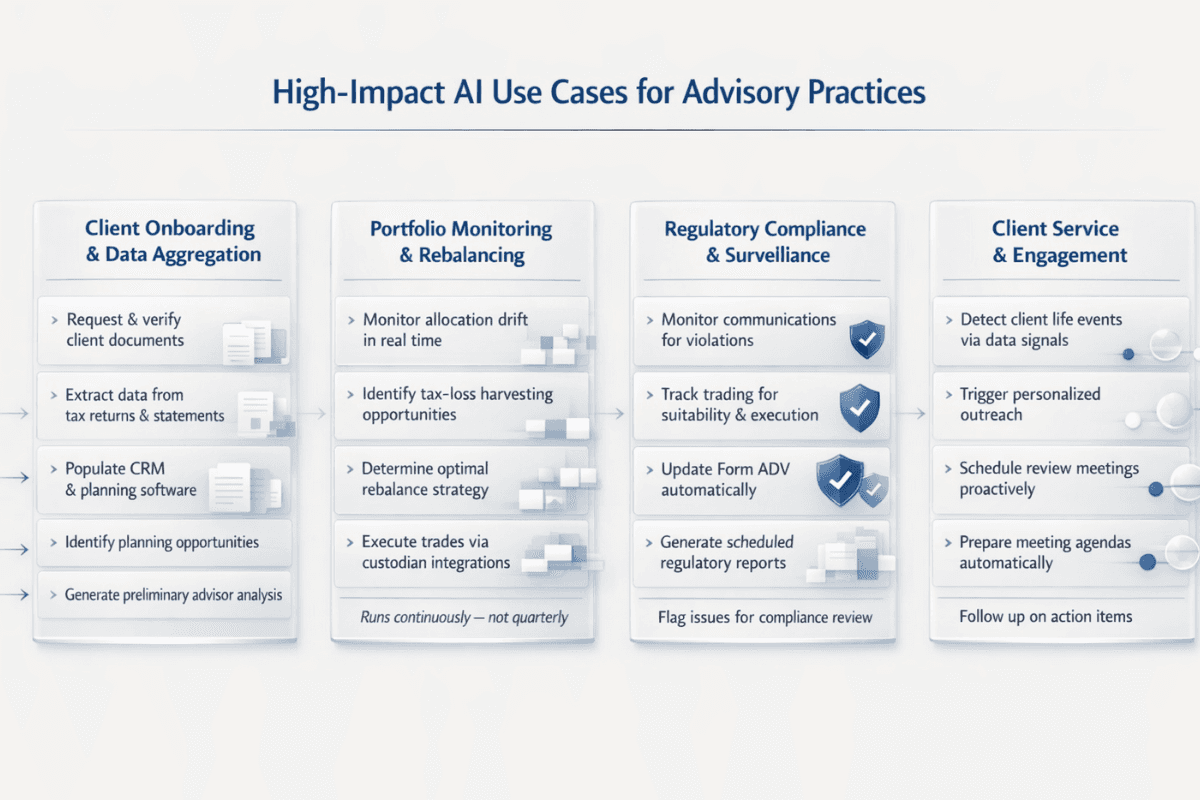
Client Onboarding and Data Aggregation
Agentic systems orchestrate entire onboarding workflows by:
Requesting and verifying client documents through secure portals
Extracting data from tax returns and statements using document intelligence
Populating CRM and financial planning software automatically
Identifying planning opportunities and flagging issues requiring human attention
Generating preliminary analysis for advisor review
Portfolio Monitoring and Rebalancing
AI agents continuously monitor client portfolios:
Detect allocation drift across thousands of accounts simultaneously
Identify tax-loss harvesting opportunities considering wash sale rules
Determine optimal rebalancing approach for each client's unique situation
Execute trades through custodian integrations when thresholds are met
Generate trade confirmations and update client reporting
The system operates in real-time, triggering workflows when conditions warrant action rather than waiting for quarterly reviews.
Regulatory Compliance and Surveillance
Compliance represents one of the clearest applications:
Monitor communications for prohibited content or conflicts
Track trading activity for best execution and suitability
Update Form ADV when business changes occur
Generate regulatory reports on defined schedules
Flag potential violations for compliance review
CFA Institute's 2025 AI research emphasizes that AI can automate compliance workflows while improving accuracy beyond manual processes.
Client Service and Engagement
Agentic systems enhance relationships through proactive outreach:
Monitor client life events through data signals (job changes, home purchases)
Trigger personalized communications when planning opportunities arise
Schedule review meetings based on portfolio changes or market events
Prepare meeting agendas with relevant portfolio analysis
Follow up on action items from client conversations
The goal isn't replacing advisor-client interaction—it's ensuring those interactions happen at the right time with the right context.
The Infrastructure Imperative
McKinsey's December 2024 banking research notes that successful AI agent deployment requires comprehensive infrastructure reimagined for autonomous workflows.
Integration Architecture
AI agents need access to every system in the advisor's technology stack:
Custodian platforms for account data, trading, and positions
Portfolio management systems for allocation targets and analytics
Financial planning software for client goals and projections
CRM systems for relationship data and workflow tracking
Compliance platforms for surveillance and regulatory requirements
Document management for client files and records
Deloitte's 2025 tech trends research notes that traditional point-to-point integrations don't scale—firms need integration fabrics enabling data flow across systems without custom development for each connection.
Data Governance and Quality
Autonomous decisions require trustworthy data:
Single source of truth: Consolidated client data from authoritative sources
Data validation: Automated checks ensuring accuracy before agent use
Version control: Tracking data changes and maintaining historical records
Access controls: Governing which agents can access what information
Data lineage: Understanding where information originated and how it's transformed
Security and Access Management
Agents operating with elevated permissions create security considerations:
Principle of least privilege: Agents access only systems necessary for their function
Credential management: Secure storage and rotation of API keys
Activity monitoring: Logging all agent actions for audit and anomaly detection
Approval workflows: Human checkpoints for high-risk actions
Rollback capabilities: Ability to reverse agent actions when errors occur
Monitoring and Observability
When agents operate autonomously, visibility becomes critical:
Real-time dashboards showing active workflows, completion rates, and errors
Performance metrics measuring agent accuracy, speed, and resource consumption
Alert systems flagging anomalies or performance degradation
Audit trails providing complete logs of agent decisions and actions
Impact analysis understanding business outcomes from agent operations
Building Governance for Autonomous Systems
Decision Boundaries
Clear parameters govern what agents can decide autonomously:
Pre-approved actions: Workflows agents execute without human review (routine rebalancing)
Escalation triggers: Conditions requiring human judgment (allocation changes exceeding thresholds)
Prohibited actions: Tasks agents cannot perform under any circumstances
Review requirements: Frequency of human oversight for agent-driven processes
Deloitte's February 2025 research found that pioneers in AI adoption establish clear decision rights before deploying autonomous systems.
Human-in-the-Loop Design
Strategic touchpoints maintain advisor control:
Approval workflows for high-stakes decisions before execution
Exception handling triggering human review for unusual situations
Periodic validation through regular sampling of agent outputs
Override capabilities enabling easy human intervention
Feedback loops where human corrections improve future agent performance
Testing and Validation
Before deploying agents in production:
Sandbox environments for testing agent behavior without client impact
Scenario testing validating agent responses across edge cases
Stress testing evaluating performance under unusual market conditions
Bias detection ensuring agents don't perpetuate systematic errors
Performance benchmarking comparing agent outcomes to human baseline
The Path to Deployment
Successful agent adoption follows a pattern:
Phase 1: Identify High-Value, Low-Risk Use Cases
Start with workflows that are repetitive, rules-based, high-volume across clients, low-risk if errors occur, and easy to validate. Examples include data aggregation, report generation, and routine compliance tasks.
Phase 2: Build Supporting Infrastructure
Invest in system integrations and APIs, data quality and governance, monitoring and logging, and security and access controls that multiple agents will use.
Phase 3: Deploy with Guardrails
Launch agents with clear decision boundaries, human review for exceptions, performance monitoring, and defined rollback procedures.
Phase 4: Expand Strategically
Based on validated success, add more complex workflows, increase automation levels, reduce human touchpoints, and scale across more clients.
The Strategic Imperative
AI agents represent more than efficiency gains. They fundamentally change the economics of wealth management—enabling personalized service at scale that was previously impossible.
BlackRock's 2026 investment outlook notes that AI's productivity impact could expand economy-wide revenues by over $1 trillion. For advisory firms, the question is whether that value accrues to their practice or to competitors who deploy autonomous systems faster.
The infrastructure required for agentic AI—integrated systems, quality data, robust governance, and orchestration platforms—also supports every other technology initiative. Firms building this foundation don't just enable agents; they position themselves for whatever innovation comes next.
Autonomous AI isn't replacing advisors. It's changing what advisors do—from executing workflows to defining strategy, from managing processes to building relationships, from spending time on routine tasks to focusing entirely on judgment that only humans can provide.