Building a Rigorous ETF Due Diligence Process for Advisors
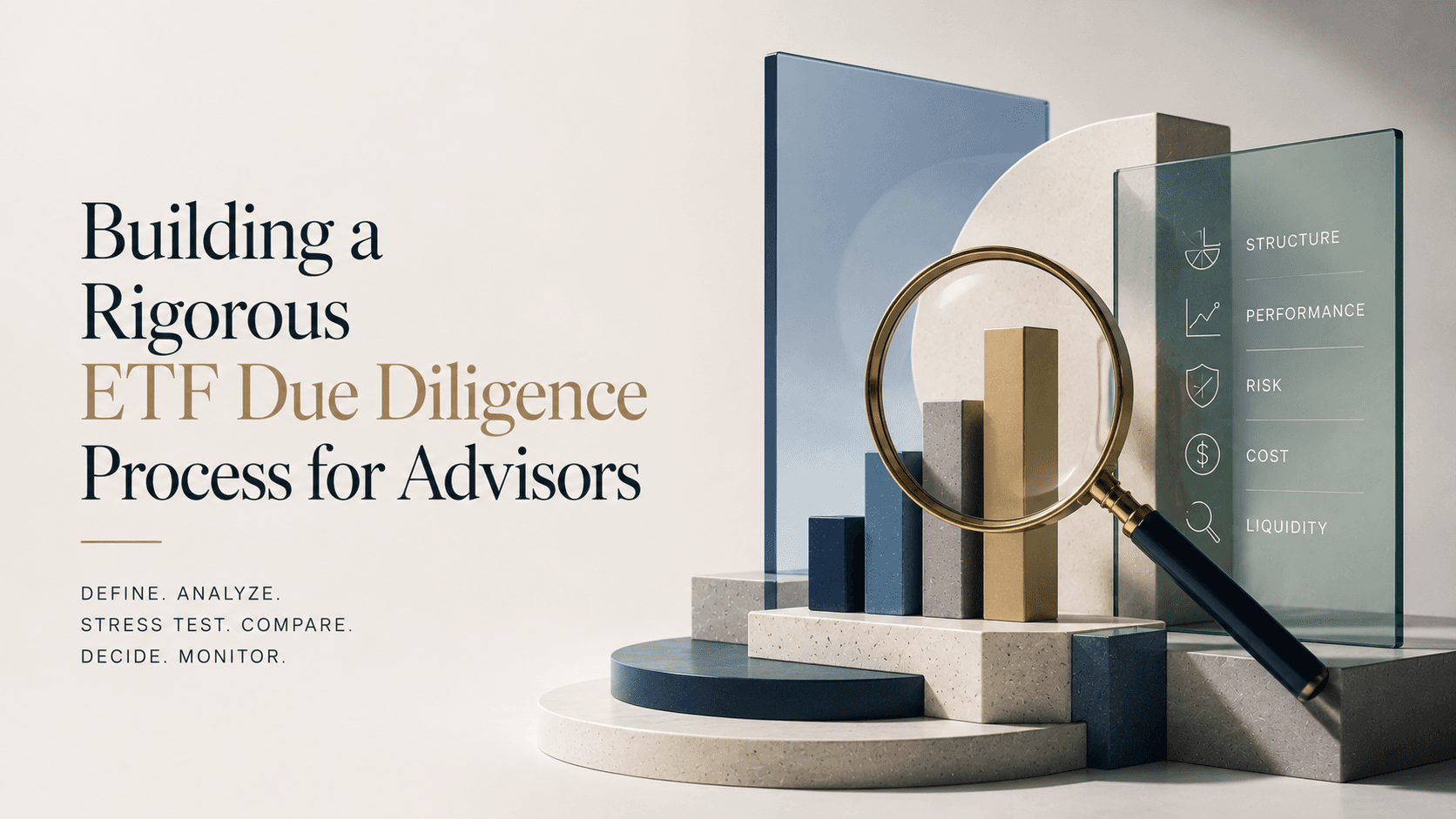
Building a Rigorous ETF Due Diligence Process for Advisors
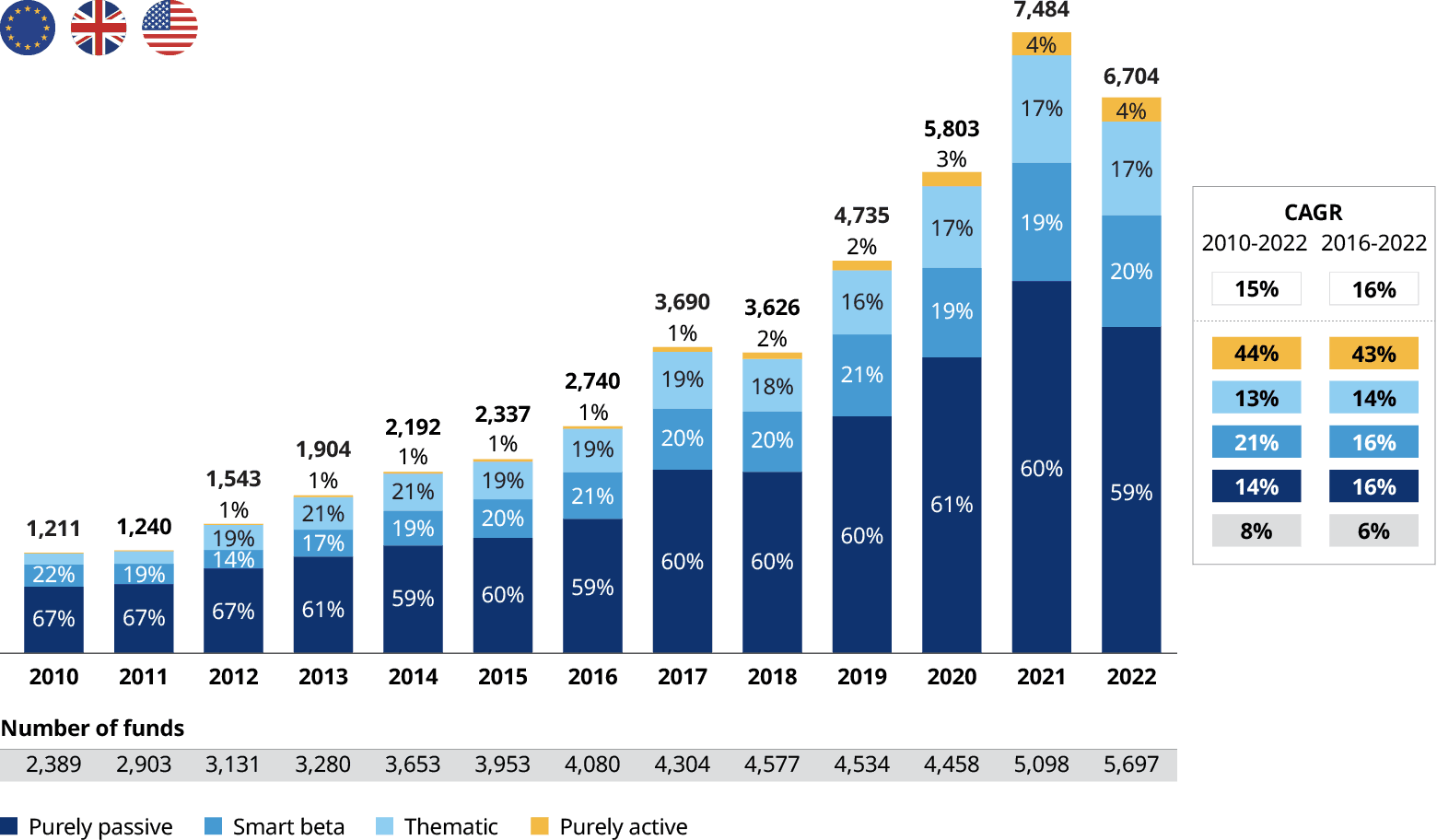
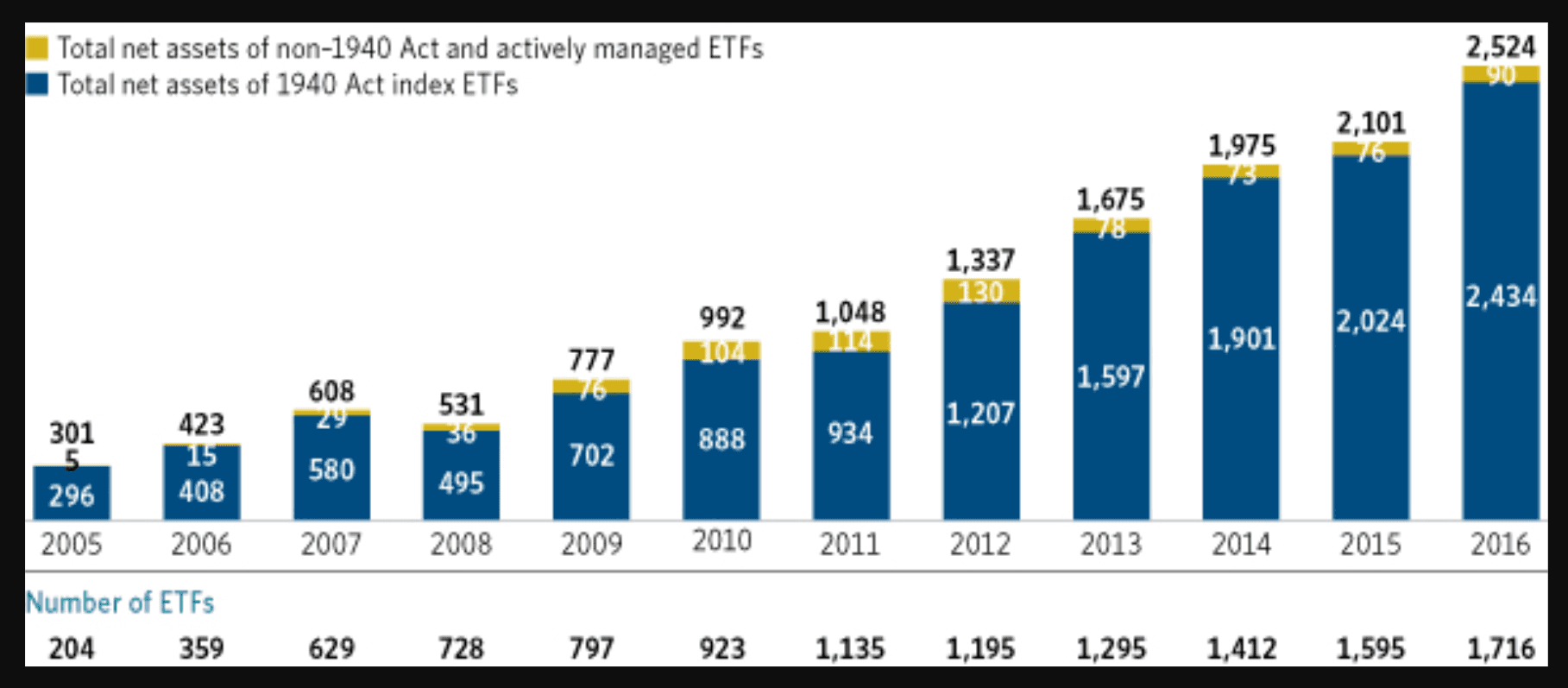
The ETF landscape has grown far more complex than most portfolios reflect. There are now more ETFs listed in the U.S. than there are individual stocks — a statistic that surprises even seasoned advisors. Many of these funds hold nearly identical baskets of securities, repackaged under different tickers, expense structures, and marketing narratives.
For advisors and portfolio managers, this creates a real diligence problem. Selecting between funds that appear similar on the surface — but differ meaningfully in structure, cost, or risk exposure — requires more than a glance at a fact sheet. A disciplined ETF due diligence process is what separates defensible portfolio construction from guesswork.
This post outlines a practical framework advisors can use to evaluate ETFs systematically, reduce redundant exposure, and document their selection rationale for clients and compliance alike.
Why ETF Proliferation Demands a Structured Due Diligence Process
The sheer number of available funds means advisors can no longer rely on brand recognition or category labels alone. Two ETFs in the same "sector" or "thematic" category can have dramatically different holdings, weighting methodologies, and risk profiles.
Without a repeatable ETF due diligence process, advisors risk:
Unintentionally duplicating exposure across client accounts
Selecting funds based on marketing rather than mechanics
Missing structural risks buried in leveraged or single-stock products
Struggling to justify fund selection during compliance reviews
A structured process addresses each of these risks directly — and creates a documented, repeatable standard across your book of business.
Core Components of an ETF Due Diligence Process
A complete due diligence framework should evaluate funds across several dimensions, not just performance or expense ratio in isolation.
ETF Overlap Analysis: Spotting Redundant Exposure
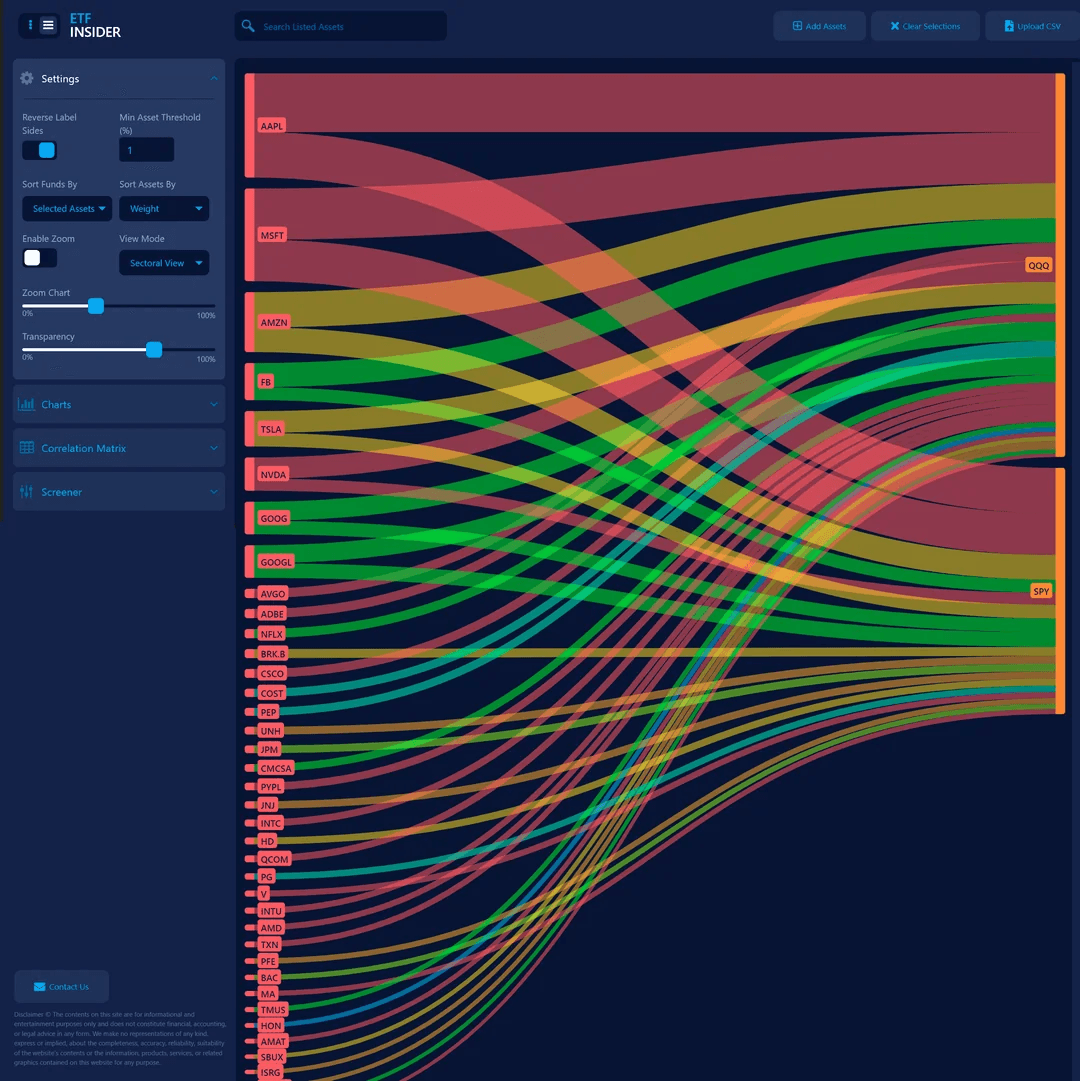
Before adding a new fund, advisors should run an ETF overlap analysis against existing holdings. Two funds with different names and tickers may share 70–90% of their top holdings, particularly among large-cap growth or technology-weighted products.
Practical steps include:
Comparing top 10–20 holdings across candidate funds
Reviewing sector and geographic weightings side by side
Checking correlation coefficients between fund returns over multiple time horizons
Skipping this step is one of the most common — and avoidable — errors in portfolio construction.
Portfolio Concentration Risk in a Multi-ETF Portfolio
Ironically, holding more ETFs doesn't guarantee more diversification. When multiple funds are anchored to the same index or mega-cap names, portfolio concentration risk can quietly build across a portfolio that looks diversified on paper. Advisors should assess concentration at the underlying security level, not just the fund level — a dynamic we've explored in depth in our analysis of the S&P 500 concentration bubble, where a handful of dominant holdings can drive correlated risk across an entire allocation.
Single-Stock ETF Risk and Leveraged Products
The rise of single-stock and leveraged ETFs adds another layer advisors must screen for. Single-stock ETF risk includes:
Amplified volatility from daily leverage reset mechanics
Compounding effects that erode returns in choppy markets
Thin trading history, making long-term risk assessment difficult
These products may be suitable in narrow, tactical use cases — such as the short-term hedging applications we outlined in our guide to using inverse ETFs for weekend risk management — but rarely belong in core client allocations without clear client understanding and documented rationale.
Additional Screening Factors for Advisors
Beyond overlap and concentration, a complete set of ETF selection criteria for advisors should include liquidity and cost analysis.
Evaluating ETF Liquidity and Trading Volume
Low trading volume can widen bid-ask spreads and increase execution costs, particularly during volatile periods. Advisors evaluating ETF liquidity and trading volume should review:
Average daily trading volume over 30 and 90 days
Bid-ask spread consistency
Assets under management (AUM) trends — shrinking AUM often precedes fund closure
ETF Expense Ratio Comparison Across Similar Funds
An ETF expense ratio comparison across seemingly similar funds can reveal meaningful long-term cost differences. A 0.15% difference in expense ratio, compounded over a 20-year holding period, can materially impact client outcomes — especially in low-alpha, index-tracking exposures. For high-net-worth clients, this cost discipline pairs naturally with tax-efficient structures like direct indexing, which can compound after-tax returns further.
When "Similar" ETFs Aren't Actually Similar: Fund of Funds Structures
Some ETFs are structured as a fund of funds structure, holding other ETFs rather than individual securities directly. This adds a layer of indirect fees and can obscure true underlying exposure if not reviewed carefully.
As we've detailed in our breakdown of full replication versus sampling in ETF construction, advisors should always look through to the underlying holdings rather than relying on the fund's stated category alone.
Building Due Diligence Into Your Advisory Workflow
The challenge most advisors face isn't understanding what to evaluate — it's finding time to evaluate it consistently across every client account and every fund under consideration. A manual ETF due diligence process applied inconsistently is arguably riskier than having no formal process at all, since it creates a false sense of rigor.
This mirrors the broader shift we've covered in why modern RIAs are moving from spreadsheets to software-driven portfolio management — systematizing the process, rather than relying on ad hoc review, is essential for scaling an advisory practice without scaling risk.
Conclusion
As the number of available ETFs continues to outpace the number of underlying public companies, advisors can no longer treat fund selection as a simple category match. A defensible ETF due diligence process — one that evaluates overlap, concentration, liquidity, cost, and structural risk — is now a baseline expectation, not a differentiator.
The firms that build this discipline into their workflow will be better positioned to defend their fund selections, avoid redundant exposure, and serve clients with genuine, not superficial, diversification.
How Surmount Wealth Automates ETF Due Diligence at Scale
Manually running overlap analysis, liquidity checks, and expense comparisons across dozens of client portfolios isn't just time-consuming — it's where errors and inconsistency creep in. Surmount Wealth's automated platform lets advisors apply professional-grade, rules-based screening to any thesis, including the exact due diligence framework outlined above.
Hypothetical strategy concept: "Overlap Guard Monitor"
This is a hypothetical, illustrative strategy concept only — not investment advice, and not a live Surmount Wealth product.
Imagine a systematic strategy that continuously:
Flags when two or more held ETFs exceed a defined holdings-overlap threshold
Monitors concentration risk at the underlying security level across the full portfolio
Screens candidate ETFs against liquidity and expense ratio benchmarks before they're added
Sends alerts when AUM in a held fund drops below a risk threshold, signaling potential closure risk
A strategy like this doesn't replace an advisor's judgment — it removes the manual burden of checking these factors fund-by-fund, account-by-account, freeing advisors to focus on client relationships and higher-value analysis.
Why advisors are automating this workflow with Surmount Wealth:
Apply institutional-grade screening logic to existing brokerage accounts — no fund transfers required
Build and backtest custom due diligence rules without writing code
Scale consistent fund evaluation across every client account simultaneously
Maintain a documented, repeatable process for compliance and client conversations
If redundant exposure, concentration risk, or fund selection inconsistency are challenges in your practice today, it's worth seeing how automation changes the equation.
Book a Demo with Surmount Wealth →
FAQ: ETF Due Diligence Process
What is an ETF due diligence process?
It's a structured framework advisors use to evaluate overlap, concentration, liquidity, and cost before adding a fund.
Why does ETF overlap analysis matter?
Similar-looking ETFs can share 70–90% of top holdings, quietly duplicating exposure across a portfolio.
How risky are single-stock ETFs?
Single-stock ETF risk includes leverage-driven volatility, compounding decay, and thin trading history for long-term evaluation.
What is a fund of funds structure?
It's an ETF that holds other ETFs rather than direct securities, adding indirect fees and layered exposure.
How often should advisors review ETF holdings?
Advisors should revisit due diligence at least quarterly, and immediately after any material AUM or holdings change.