Is Social Media Sentiment a Reliable Trading Signal?

Is Social Media Sentiment a Reliable Trading Signal?
Retail forums have turned into real-time sentiment feeds. Mention volume spikes, tone shifts, and crowd conviction now move alongside — and sometimes ahead of — price. For advisors and portfolio managers, the question isn't whether this noise exists. It's whether social media sentiment is a reliable trading signal, or simply a louder version of the same behavioral biases that have always distorted markets.
What Is Social Media Sentiment Data, Really?
Social media sentiment data captures the volume and tone of public discussion around a security — how often it's mentioned, and whether that mentioning skews bullish or bearish. Providers aggregate posts from platforms like Reddit and X, then apply natural language processing to classify tone at scale.
On its own, this is just unstructured noise. What matters is whether social media sentiment correlates with anything actionable — and whether that correlation persists once the crowd catches on.
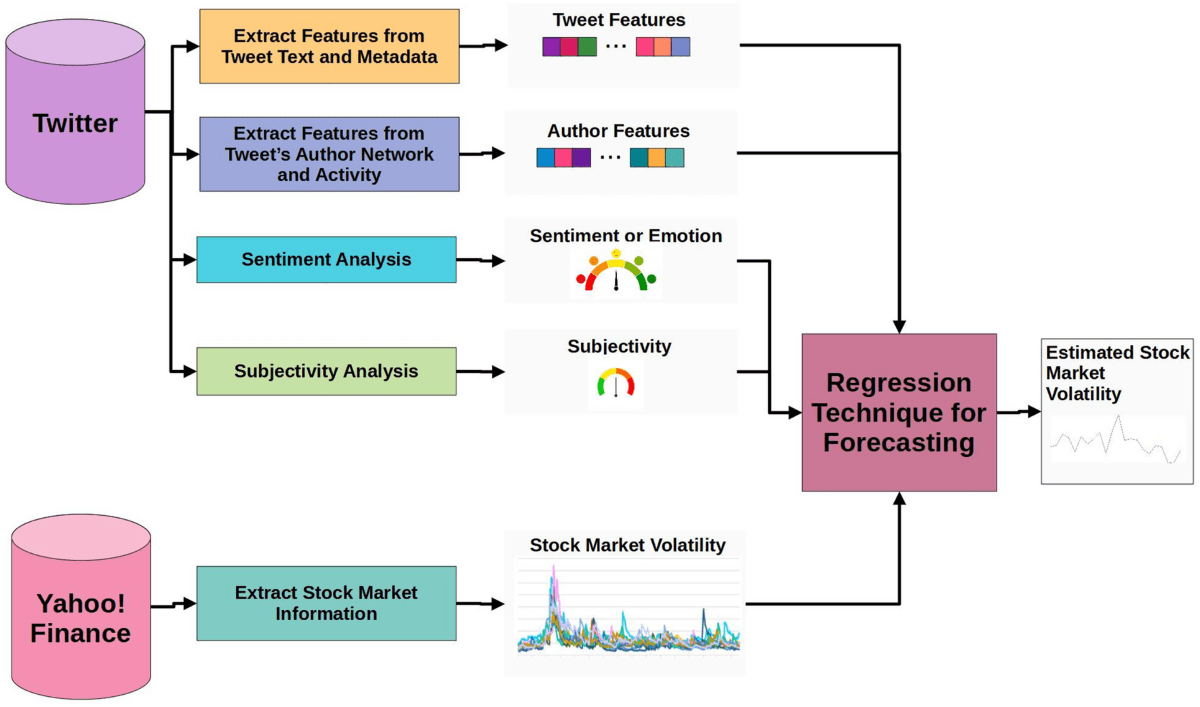
Sentiment Analysis Trading Strategy: How It's Used Today
Most retail use of sentiment is manual and reactive: someone scrolls a forum, notices a ticker trending, and treats the volume itself as a buy signal. This is fragile for three reasons:
No baseline — a spike is only meaningful relative to a ticker's normal mention frequency, which most retail investors don't track systematically
No sentiment-quality filter — positive mention counts don't distinguish genuine bullish conviction from mockery, sarcasm, or coordinated promotion
No decay awareness — by the time a name is trending, informed capital may have already positioned ahead of the crowd
A more disciplined sentiment analysis trading strategy treats sentiment as one input in a larger model, not a standalone trigger.
Alternative Data in Investing: Where Sentiment Fits
Sentiment sits within a broader category: alternative data in investing, alongside satellite imagery, credit card transaction data, web traffic, and app download trends. What distinguishes institutional use of alternative data from retail forum-scrolling is process:
Data is normalized against historical baselines before being treated as a signal
Signals are back-tested across market regimes, not just recent hype cycles
Alternative data is weighted alongside fundamentals, not used in isolation
The same discipline applies to any alternative signal you integrate into portfolio risk management — normalize it, test it, and weight it alongside fundamentals rather than trading on it in isolation. Institutional desks have used 13F filings this way for years — treating public data as one confirming input among several, rather than a standalone thesis.

Systematic Investing vs Discretionary Investing: The Core Divide
This is really a question about process. Systematic investing vs discretionary investing is the underlying divide that determines whether sentiment data adds value or adds noise.
Discretionary Approach | Systematic Approach | |
Signal source | Manually scanning forums | Programmatic sentiment scoring |
Timing | Reactive, after trend is visible | Threshold-triggered, rules-defined |
Consistency | Varies by mood, time, attention | Applied identically every time |
Auditability | Difficult to reconstruct reasoning | Fully logged and testable |
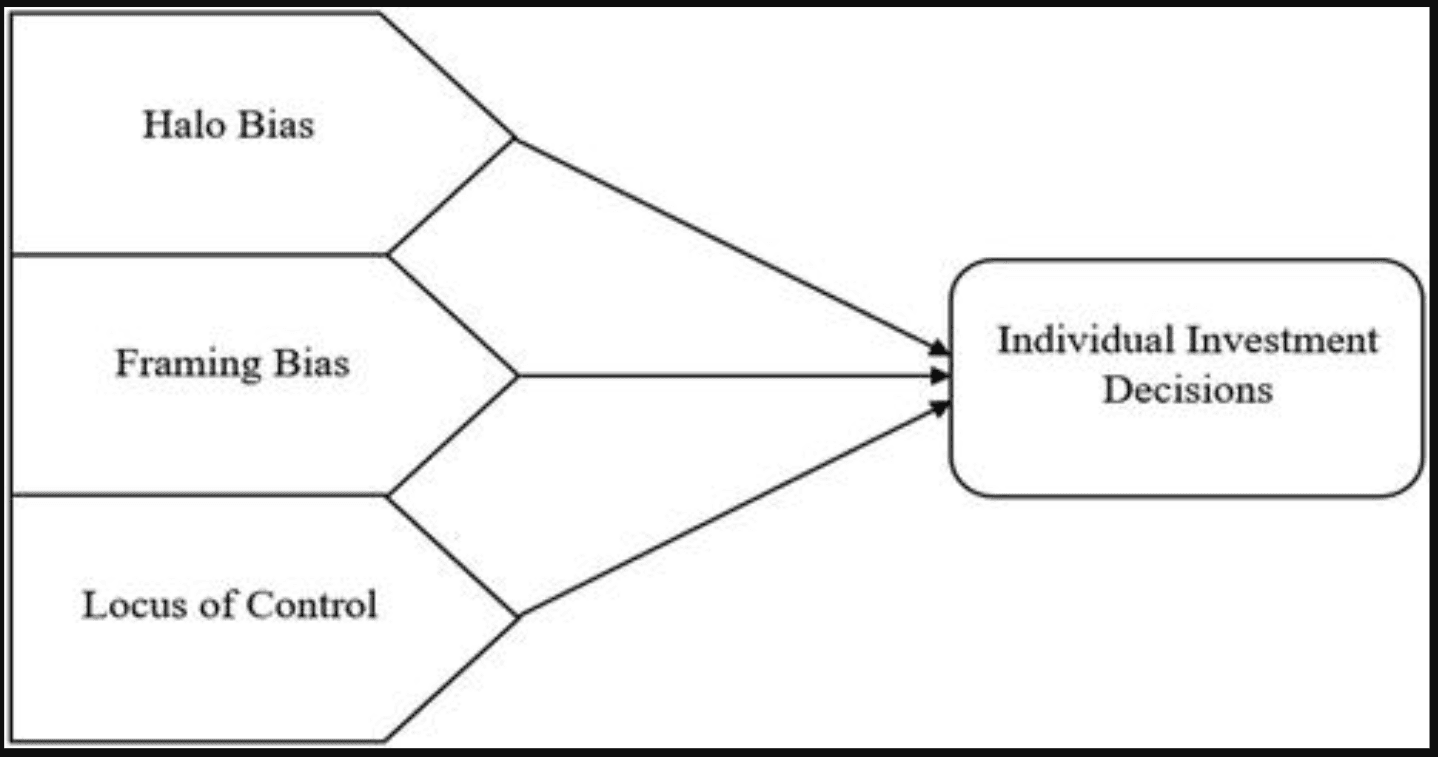
Behavioral Bias in Investing and the Sentiment Trap
Sentiment data doesn't exist in a vacuum — it plugs directly into the same emotional decision-making patterns we've covered in how emotions drive market decisions, and is uniquely prone to reinforcing behavioral bias in investing rather than correcting for it. Three patterns show up repeatedly:
Confirmation bias — investors seek out sentiment that supports a position they already hold
Recency bias — a name that “worked” once via forum discovery gets disproportionate future attention, a dynamic we break down in our framework for advisors under client pressure
FOMO-driven entry — buying accelerates precisely when a signal is most exhausted, not when it's freshest
None of this makes sentiment data useless. It makes unstructured, manual use of sentiment data unreliable.
Building a Rules-Based Investment Strategy Around Sentiment
A rules-based investment strategy removes the emotional entry point by defining, in advance:
What counts as a statistically meaningful sentiment deviation
What confirming data (fundamentals, volume, institutional flow) must align before sentiment triggers action
What exit rule applies regardless of how sentiment evolves afterward
The same discipline that separates academic momentum models from live execution realities applies just as directly to sentiment-based entries and exits. This is the structural difference between chasing a trend and testing a thesis.
Is Social Media Sentiment a Reliable Trading Signal? Weighing the Evidence
The honest answer: sentiment data has some predictive value at the margins, particularly for detecting early-stage attention shifts — but it degrades quickly once a name is widely discussed, and it's highly susceptible to manipulation and noise. Treated as a standalone signal, it isn't reliable. Treated as one systematized input, tested and weighted like any other alternative dataset, it can add marginal value.
Key Takeaways for Advisors
Sentiment data is a legitimate alternative data category — but only when normalized, tested, and combined with other signals
Discretionary, manual sentiment-chasing reproduces the exact behavioral biases advisors are meant to help clients avoid
A rules-based framework is what separates a repeatable process from a lucky call
Turn This Thesis Into an Automated Strategy — With Surmount Wealth
Reading sentiment data is one thing. Systematizing it — consistently, without emotional override — is another entirely. That's the gap between advisors who talk about alternative data and advisors who actually deploy it.
Surmount Wealth lets you automate any investment thesis, including a sentiment-informed one, using prebuilt or fully custom automated trade strategies layered directly onto your clients' existing brokerage accounts. No fund transfers. No coding from scratch. Just professional-grade infrastructure applied to the logic you already believe in.
As a hypothetical illustration of how this might work, consider a concept we'll call the Sentiment Deviation Monitor — a rules-based framework that could:
Track mention-volume deviation against a rolling historical baseline, rather than raw sentiment counts
Require confirming volume or institutional flow data before treating a spike as signal-worthy
Apply a predefined decay window, automatically de-weighting sentiment inputs as they age
Execute entries and exits on fixed rules — removing the FOMO-driven timing errors that undermine manual approaches
This is a hypothetical strategy concept for illustrative purposes only and does not constitute investment advice or a recommendation to buy or sell any security. Any strategy deployed on the Surmount Wealth platform should be independently evaluated and back-tested against your firm's investment policy and suitability requirements.
Why Advisors Are Automating Theses Like This on Surmount:
No manual monitoring — rules execute consistently, without emotional drift
Full auditability — every trigger and trade is logged and defensible to clients and compliance
No infrastructure build — deploy on existing brokerage accounts, no fund transfers required
Backtestable logic — validate a thesis against historical data before committing capital
Scalable across books — apply the same systematized logic across every client account that fits the mandate
If you've got a thesis — sentiment-driven or otherwise — sitting in a spreadsheet or a set of manual rules you re-check by hand, it's ready to be automated.
Book a Demo with Surmount Wealth →
FAQ: Is Social Media Sentiment a Reliable Trading Signal?
What is social media sentiment analysis?
It's the process of measuring the volume and tone of public discussion around a security to gauge crowd conviction. On its own, it's unstructured data — value depends on how it's systematized.
How reliable is sentiment as a signal?
Social media sentiment has some predictive value at the margins but degrades quickly once a name is widely discussed. Standalone, it's unreliable; combined with other alternative data, it can add marginal value.
Why does sentiment data create behavioral bias?
Manual sentiment-chasing reinforces confirmation bias, recency bias, and FOMO-driven entries. A rules-based investment strategy removes the emotional trigger by defining thresholds in advance.
How is sentiment different from fundamentals?
Sentiment reflects crowd attention and tone, not underlying financial health. It works best as one input in a broader alternative data in investing framework, not a standalone trigger.
Can sentiment be used systematically?
Yes — a sentiment analysis trading strategy can normalize mention data against historical baselines and require confirming signals before acting, turning noise into a testable, back-testable process.