Understanding Global Market Contagion Risk for RIAs

Understanding Global Market Contagion Risk for RIAs
Markets rarely fall apart in isolation. A sharp correction in one region often ripples into others within hours, long before fundamentals justify the move. For registered investment advisors managing multi-asset portfolios, recognizing this pattern early is no longer optional — it's a core risk management competency.
What Is Global Market Contagion?
Global market contagion describes the rapid transmission of price shocks from one market, sector, or asset class into others that may have little direct fundamental connection. A steep single-day decline in a foreign equity index, for example, can trigger risk-off selling in US futures within the same trading session — even when the underlying businesses share no meaningful exposure.
This matters because global market contagion doesn't respect geographic or sector boundaries. It moves through:
Shared investor sentiment and risk appetite
Algorithmic and systematic trading flows
Margin and leverage unwinds
Correlated positioning across asset classes
How Cross-Market Correlation Risk Builds Across Asset Classes
Cross-market correlation risk tends to build quietly during calm periods and then surface violently during stress events. When volatility is low, correlations across regions and asset classes often compress — investors assume diversification benefits that may not hold once conditions shift.
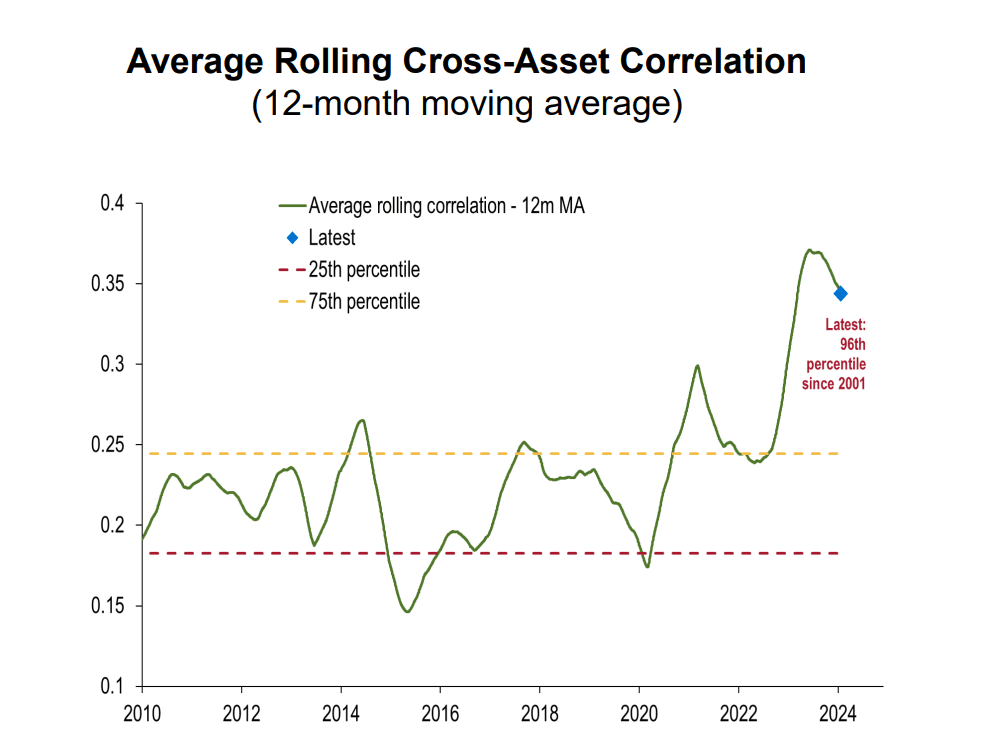
The problem is that correlation is not static. During a genuine risk-off event, previously uncorrelated assets can move together, eroding the diversification advisors were counting on. Monitoring rolling correlation windows across regions, rather than relying on long-run historical averages, is one way to catch this shift before it fully plays out — a dynamic well documented in CFA Institute research on systemic correlation risk.
Anatomy of a Contagion Event: Lessons from Recent Market Volatility Spillover
Recent episodes of market volatility spillover offer a useful template. A regional equity index experiences a sharp, leverage-driven decline. Margin calls force liquidations, which deepen the sell-off, which triggers further margin calls — a self-reinforcing cycle. Within days, that stress shows up in unrelated markets as risk sentiment sours broadly, a pattern consistent with NBER research on correlation breakdown during crisis periods.
Leveraged ETF Risk and the Amplification Effect
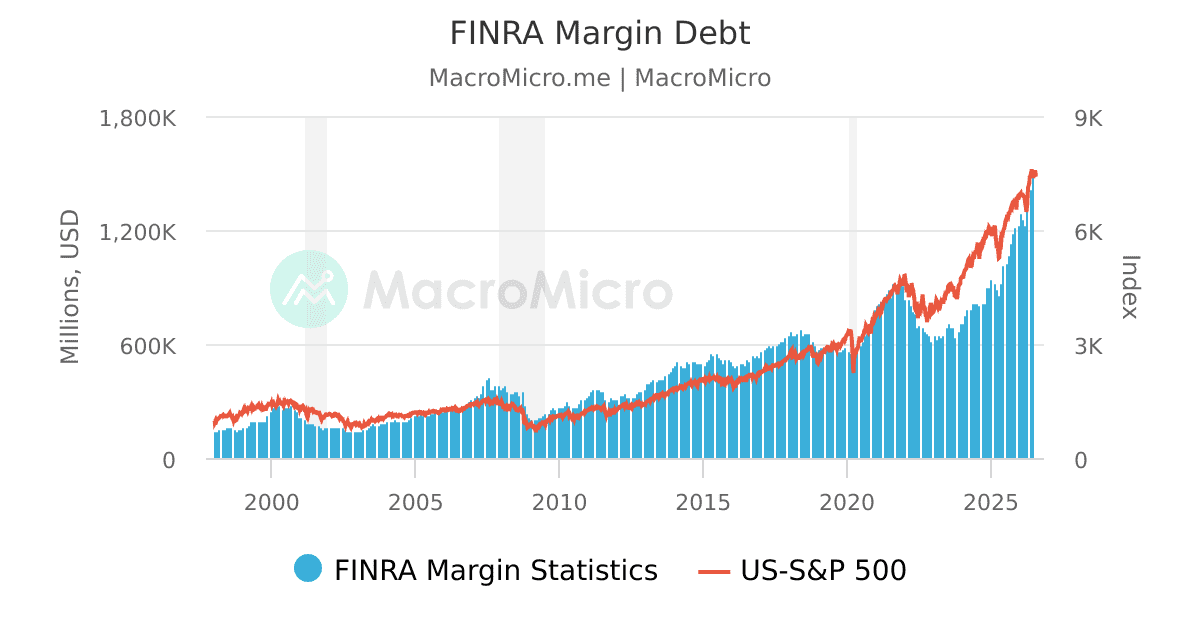
Leveraged ETF risk plays an outsized role in these dynamics. Products offering 2x or 3x daily exposure amplify both gains and losses, and heavy retail concentration in these instruments can accelerate a decline once margin thresholds are breached. A relatively modest index move can translate into forced selling many multiples larger — a dynamic advisors can partially offset with structured approaches like rolling hedge strategies using inverse ETFs, feeding directly into broader market volatility spillover. Historical margin debt trends, tracked by the Federal Reserve, illustrate how quickly leverage can build ahead of these episodes.
Speculative vs. Fundamentals-Driven Markets: Why the Distinction Matters
Not every sell-off signals the same thing. Distinguishing speculative vs. fundamentals-driven markets is essential context for advisors interpreting cross-market moves:
Fundamentals-driven declines typically track deteriorating earnings, guidance, or macro data.
Speculative-driven declines often reflect leverage unwinds, positioning extremes, or sentiment shifts unrelated to underlying business performance.
Markets with high retail leverage participation and low emphasis on long-term ownership are more prone to sharp, speculative-driven swings — which can produce misleading signals if read as fundamental deterioration.
Early Warning Indicators of Market Correction
Several early warning indicators of market correction tend to precede broader contagion events — and often overlap with the recession indicators portfolio managers already track:
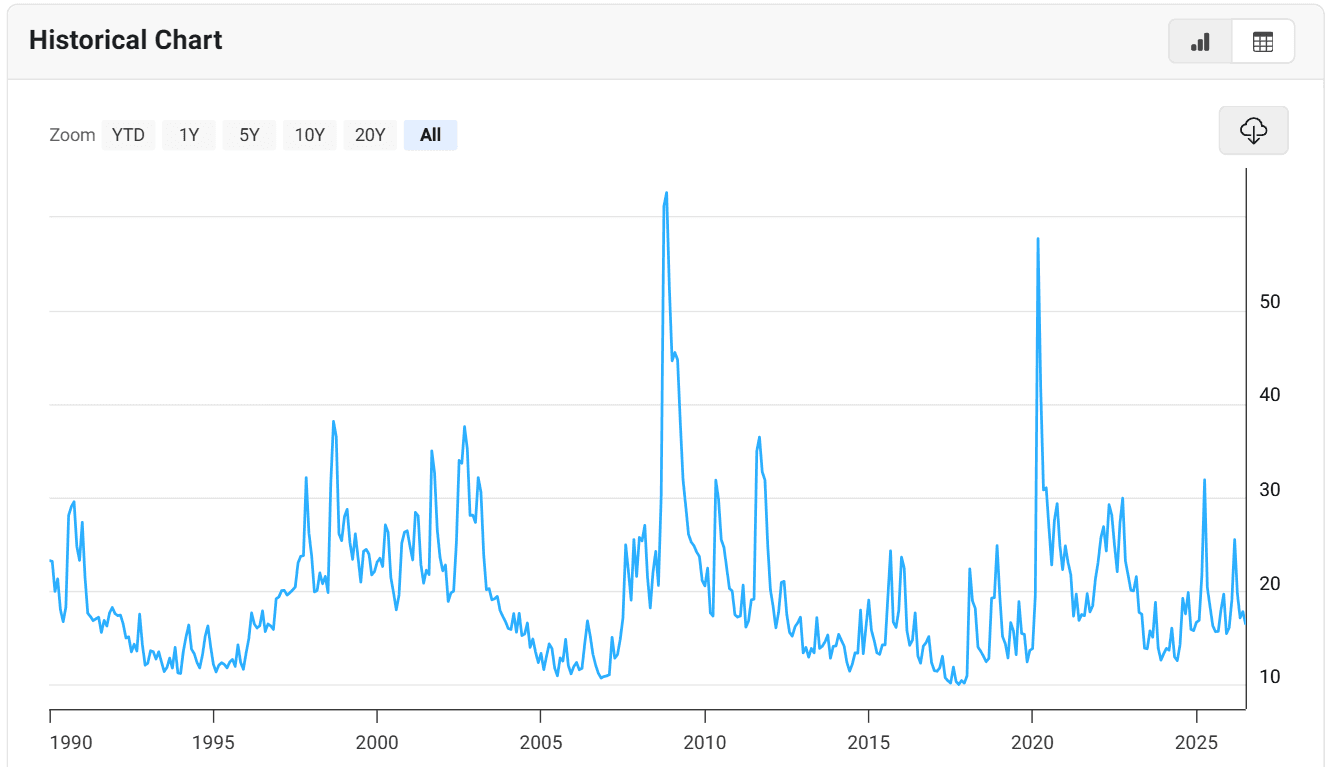
Rising implied volatility in regional or sector-specific indices
Divergence between an asset's local listing and its US-listed depositary receipt
Sudden spikes in margin debt or leveraged product volume
Compressed cross-asset correlations breaking down abruptly
Reading Cross-Asset Signals Before Earnings Season
Timing matters. Cross-asset stress that emerges immediately before a heavy corporate earnings calendar deserves particular attention, since thin liquidity and elevated positioning can magnify reactions to both the initial shock and subsequent earnings surprises.
Building a Rules-Based Risk Management Framework
Discretionary, headline-driven reactions to contagion events are difficult to execute consistently — and harder still to defend to clients after the fact, which is why systematic sell signals matter as much on the way down as on the way up. A rules-based risk management framework removes emotion from the equation by defining, in advance:
Which correlation or volatility thresholds trigger a review
How exposure is adjusted incrementally versus all at once
What hedging instruments are pre-approved for use
How positions are reintroduced once conditions normalize
This structure supports more disciplined portfolio risk management strategies, particularly during fast-moving events where manual decision-making introduces lag and inconsistency.
From Manual Monitoring to Automated Portfolio Hedging
Even well-designed frameworks lose value if execution depends entirely on manual oversight. Automated portfolio hedging closes that gap — and pairs naturally with the broader case for disciplined rebalancing over reactive market timing — systematically monitoring correlation and volatility signals across accounts and executing predefined responses without requiring an advisor to manually track every market in real time.
Conclusion
Global market contagion is a recurring feature of modern markets, not an anomaly. Advisors who build repeatable, rules-based processes for identifying cross-market correlation risk — rather than reacting to each event individually — are better positioned to protect client portfolios and demonstrate a disciplined, defensible process.
Turn This Framework Into an Automated Strategy
Reading the signals is only half the job. Acting on them, consistently and without emotional lag, is where most manual processes break down.
Surmount Wealth lets advisors automate exactly this kind of thesis — applying professional-grade, rules-based logic directly to existing brokerage accounts, without transferring assets or writing a single line of code.
Hypothetical strategy concept: "Cross-Market Correlation Monitor"
This is a hypothetical illustration only, not investment advice or a recommendation to buy or sell any security.
A rules-based framework that could:
Track rolling correlation between major regional indices and core portfolio holdings
Flag compressed correlations breaking down beyond a defined threshold
Automatically scale hedge exposure incrementally as volatility indicators rise
Reduce hedge positioning systematically once cross-market signals normalize
With Surmount Wealth, advisors can:
Build and backtest strategies like this against historical contagion events
Automate execution across client accounts simultaneously, with no manual rebalancing
Customize triggers using their own correlation, volatility, or leverage thresholds
Maintain full transparency with auditable, rules-based logic for every trade
Manual monitoring can't keep pace with markets that move in hours, not days. Book a demo today and see how Surmount Wealth can turn your risk framework into a fully automated strategy
FAQ: Global Market Contagion
What causes global market contagion?
It's driven by shared investor sentiment, leverage unwinds, and correlated positioning across asset classes rather than fundamentals alone.
How does cross-market correlation risk build?
It builds quietly when volatility is low, then spikes as previously uncorrelated assets move together during stress events.
Why is leveraged ETF risk so high?
Leveraged ETF risk stems from daily rebalancing and amplified exposure, which can accelerate forced selling once margin thresholds are breached.
When do early warning indicators appear?
Early warning indicators of market correction — like rising implied volatility or margin debt spikes — often surface days before a broader contagion event.
How can advisors automate portfolio hedging?
Advisors can use rules-based platforms to define correlation and volatility thresholds, enabling automated portfolio hedging without manual intervention.


