
Blog

How to Trim Winners Tax-Efficiently: A Practical Guide
Every advisor eventually meets the same problem: a position performs so well it quietly becomes the largest risk in the book. Trimming it is the obvious move — but sell carelessly and the tax bill can erase much of the discipline you were trying to enforce. Knowing how to trim winners tax-efficiently is what separates a reactive sale from a repeatable process. This guide lays out a practical framework for reducing exposure while keeping realized gains under control.
Why Letting Winners Run Creates a Tax Problem
A single appreciated holding does two things at once. It concentrates portfolio risk, and it accumulates an embedded, unrealized gain that grows harder to unwind the longer it sits. By the time a position dominates the book, the cost basis is often so low that nearly every dollar of proceeds is taxable.
The result is a familiar trap:
Selling realizes a large gain in a single tax year.
Holding leaves the client dangerously exposed to one name.
Waiting only deepens both problems as the position compounds.
The goal is not to avoid tax entirely — that usually means avoiding the sale, which is the wrong outcome. The goal is to control when and how much gain is realized.
How to Trim Winners Tax-Efficiently
Learning how to trim winners tax-efficiently comes down to three levers advisors can pull in combination: offsetting gains, respecting holding-period thresholds, and spreading realization over time.
Using Tax-Loss Harvesting to Offset Gains
Tax-loss harvesting is the most direct lever. Losses elsewhere in the portfolio can be realized deliberately and used to offset the gains produced by trimming a winner. Practically, this means:
Identify positions trading below cost basis across the account.
Realize those losses in the same tax year as the trim.
Net the harvested losses against the gains from the sale.
Reinvest proceeds while respecting wash-sale rules.
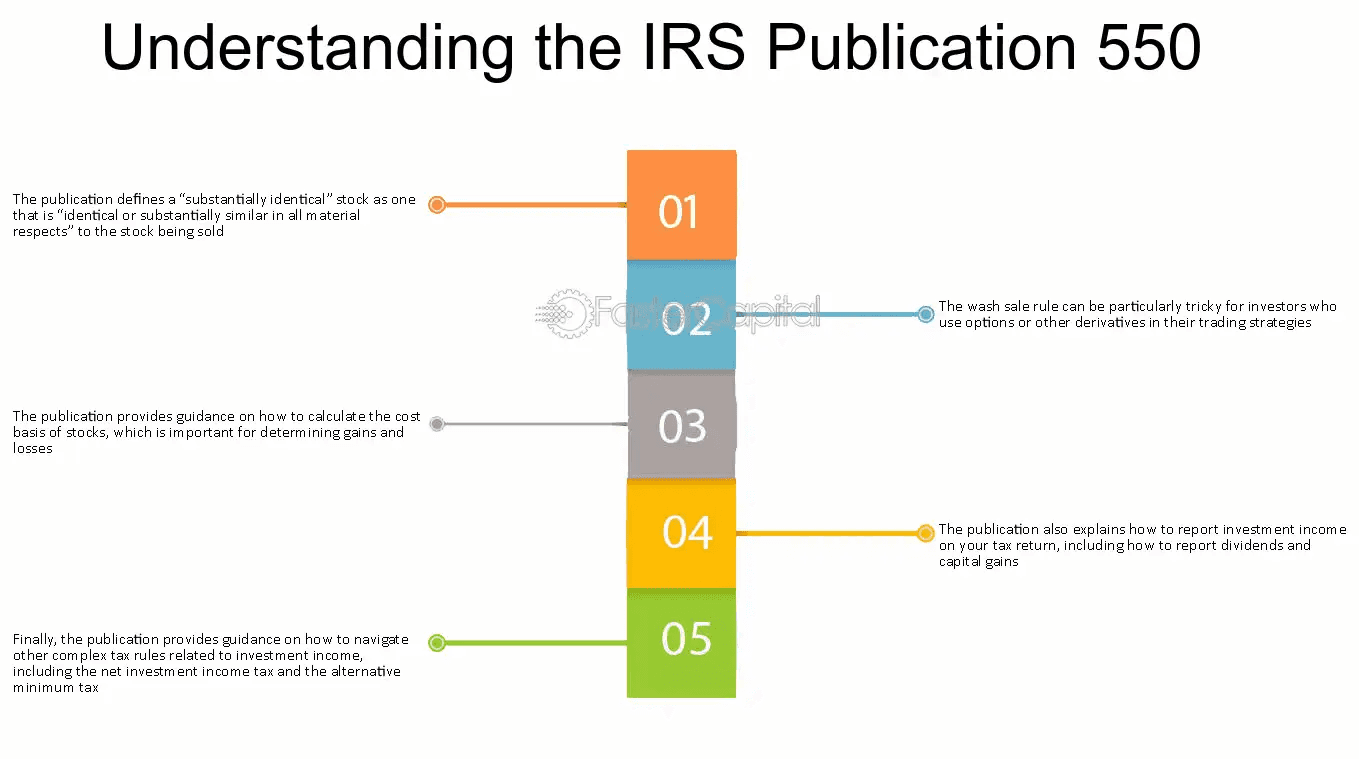
Done well, harvested losses can neutralize a meaningful share of the taxable gain, letting you reduce exposure at a lower net cost.
Working the Long-Term Capital Gains Threshold
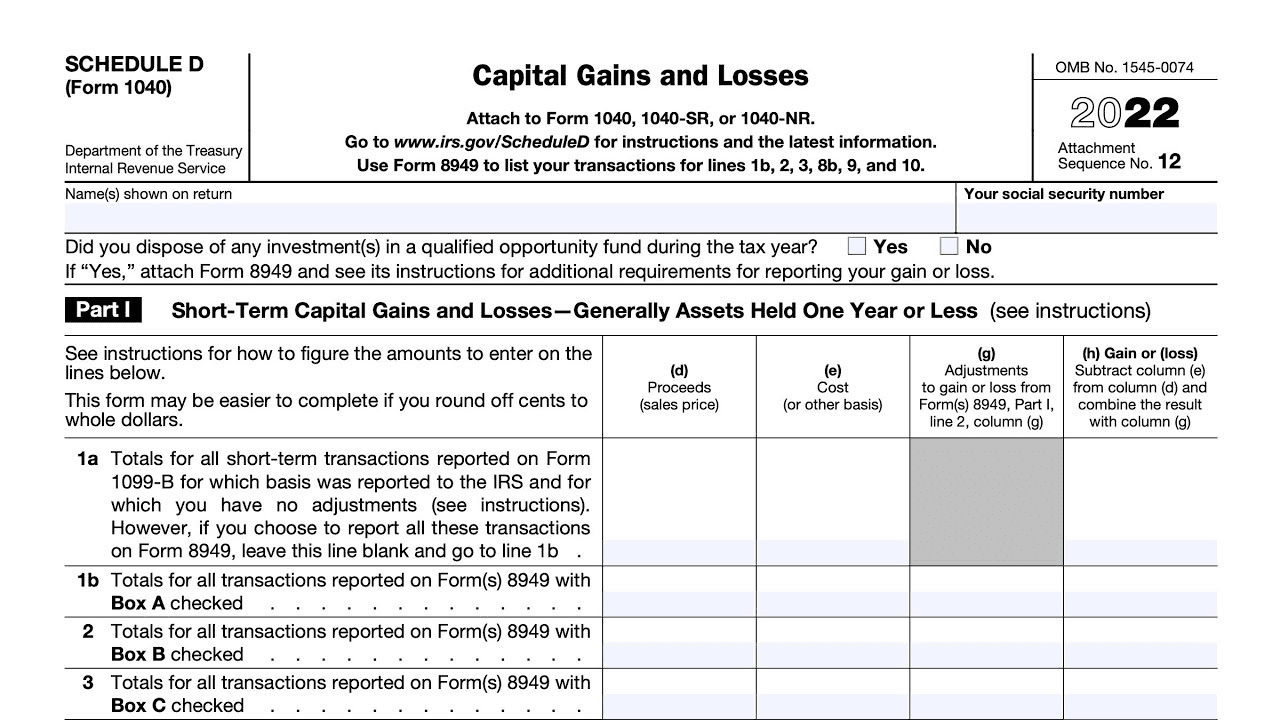
Holding period matters enormously, and it sits at the center of any capital gains tax strategy worth the name. Gains on positions held under a year are taxed as ordinary income; once past the one-year mark, they qualify for long-term capital gains treatment at materially lower rates. Before trimming, confirm which tax lots have crossed that threshold. Where a lot is close, waiting a short period to convert a short-term gain into a long-term one can change the after-tax outcome substantially.
Staging Sales Across Multiple Tax Years
Rather than exiting in one transaction, stage the reduction. Spreading a trim across two or three tax years keeps realized gains inside lower brackets and softens the annual impact. A simple staged plan might look like this:
Year 1: Trim the position back to a defined interim weight.
Year 2: Reduce further, pairing the sale with any available losses.
Year 3: Reach the target allocation.
This turns a single painful event into a managed, budgeted process.
Building a Tax-Aware Rebalancing Strategy
These levers work best inside a repeatable framework rather than as one-off reactions — the same discipline that makes rebalancing more valuable than market forecasting. A tax-aware rebalancing strategy codifies the rules in advance — the thresholds that trigger a trim, the annual gain budget, and the sequence of lots to sell — so decisions aren't made emotionally at the moment a position spikes. Practitioner frameworks from sources like the CFA Institute formalize exactly this kind of gain budgeting.
Setting Rules for Concentrated Stock Positions
Clear policy is the antidote to hesitation. For concentrated stock positions — a risk that has quietly crept into many portfolios through passive exposure to the same handful of names — define the limits ahead of time:
A maximum weight any single holding may reach before trimming begins.
An annual realized-gain budget that caps the tax impact.
A lot-selection rule (typically highest-basis lots first) to minimize gain per share sold.
With these written down, trimming becomes a policy decision rather than a judgment call under pressure.
Automating Tax-Efficient Rebalancing
The final piece is execution. Tax-efficient rebalancing demands constant monitoring of weights, tax lots, and holding periods — work that is tedious and easy to defer manually. Automating the monitoring ensures a breach of your concentration limit triggers action immediately, and that lot selection and loss offsets are applied consistently every time, not just when someone remembers to look.
Conclusion
Knowing how to trim winners tax-efficiently is ultimately about turning a stressful, tax-heavy event into a disciplined, rules-based process. Offset gains where you can, respect the long-term threshold, stage realizations across years, and encode the whole thing as policy. The advisors who do this consistently protect both their clients' risk profiles and their after-tax returns.
Automate Your Trimming Thesis With Surmount Wealth
The framework above only works if it's executed the same way every time — and that's exactly where manual processes break down. Surmount Wealth lets you apply prebuilt or fully custom automated trade strategies to your existing brokerage accounts, with no fund transfers and no code required. Any thesis you can define, you can automate.
Imagine a hypothetical strategy — call it a "Concentration Trim Monitor" — that continuously watches every position's weight and, the moment a holding breaches your set threshold, stages a tax-aware trim using highest-basis lots first while flagging harvestable losses to offset the gain. (This is a hypothetical illustration, not a recommendation or an actual Surmount product.)
Why advisors are moving their theses onto Surmount:
No rebuild required — apply professional-grade strategies to accounts you already hold.
Rules, not emotions — your thresholds and gain budgets execute automatically.
Fully customizable — codify any thesis, from concentration limits to tax-lot logic.
Test before you deploy — validate a strategy against real conditions first.
Built for professionals — institutional-grade automation, advisor-friendly workflow.
Stop leaving disciplined execution to memory. Book a demo now and see how quickly your own strategy can go live.
FAQ: How to Trim Winners Tax-Efficiently
What does trimming winners mean?
It means selling part of an appreciated position to reduce its weight, lowering concentration risk while keeping the core holding intact.
How do you trim winners tax-efficiently?
Offset gains with tax-loss harvesting, sell long-term lots for lower rates, and stage sales across multiple tax years to manage the bill.
Does tax-loss harvesting offset capital gains?
Yes. Realized losses elsewhere in the portfolio can be netted against the gains from trimming, reducing the taxable amount.
When should you trim a concentrated position?
When a single holding breaches your predefined weight limit — a rules-based threshold removes the emotion from the decision.
Can tax-efficient rebalancing be automated?
Yes. A rules-based platform can monitor weights, select tax lots, and apply loss offsets consistently across every account.